A U.S. federal appeals court has dealt a setback to President Donald Trump's immigration agenda by refusing to reinstate a proposed $100,000 fee on new H-1B work visas while the administration continues its legal appeal.
The Boston-based First U.S. Circuit Court of Appeals upheld a lower court's decision that blocked the fee from taking effect. A three-judge panel concluded that the administration had not demonstrated it was likely to succeed in proving that the president had the authority to impose such a charge.
The ruling leaves in place a June decision by U.S. District Judge Leo Sorokin, who determined that the proposed payment functions as a tax rather than a standard administrative fee. Since the U.S. Constitution gives Congress the authority to levy taxes, the judge ruled that the president cannot introduce the charge unilaterally.
The Trump administration announced the $100,000 H-1B visa fee in September 2025 as part of a broader effort to tighten immigration policies and encourage employers to hire more American workers. At the time, Trump argued that the H-1B program had been misused by some companies to replace U.S. employees with lower-cost foreign labor.
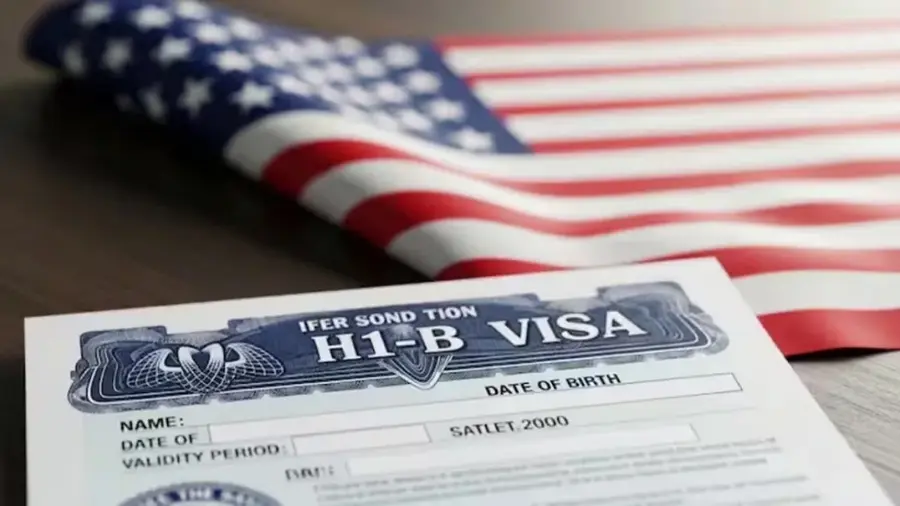
The H-1B visa program allows U.S. companies to employ highly skilled foreign professionals in specialized fields such as technology, engineering, healthcare, and finance. Many businesses rely on the program to fill positions where qualified domestic workers are in short supply.
Immigration experts believe the immediate impact of the court's decision may be limited, as a large share of H-1B employees are already working in the United States and are often renewing or transferring existing visas rather than applying for new ones.
The legal battle over the proposed fee is expected to continue, with the administration pursuing its appeal. The final outcome could influence future immigration policy and determine how much authority a president has to impose major financial requirements on visa programs without congressional approval.