The conflict between the United States and Iran entered a new phase of escalation after American forces carried out another round of airstrikes targeting key infrastructure in southern Iran, while Tehran responded with missile attacks against US interests and regional allies.
According to US military officials, the latest operations marked the sixth consecutive night of American airstrikes, with targets including bridges, transportation infrastructure, and strategic facilities near the Strait of Hormuz, one of the world's most critical maritime trade routes.
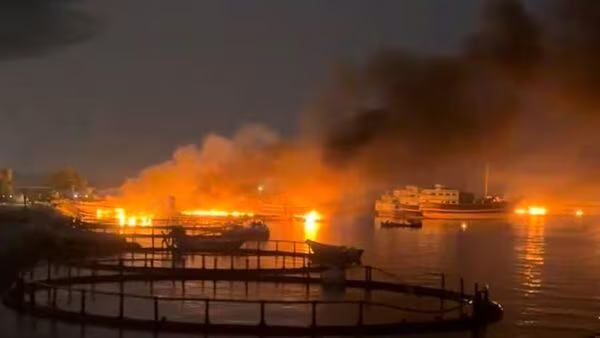
Iranian state media reported that several bridges, a railway station, and an airport were struck during the attacks. Authorities also reported explosions in Bushehr, home to Iran's civilian nuclear power plant, although there were no immediate reports of damage to the nuclear facility itself.
Officials in Iran said at least three people were killed after two bridges in Hormozgan Province were hit. The government condemned the strikes as continued American aggression and vowed to respond.
Iran Launches Retaliatory Missile Attacks
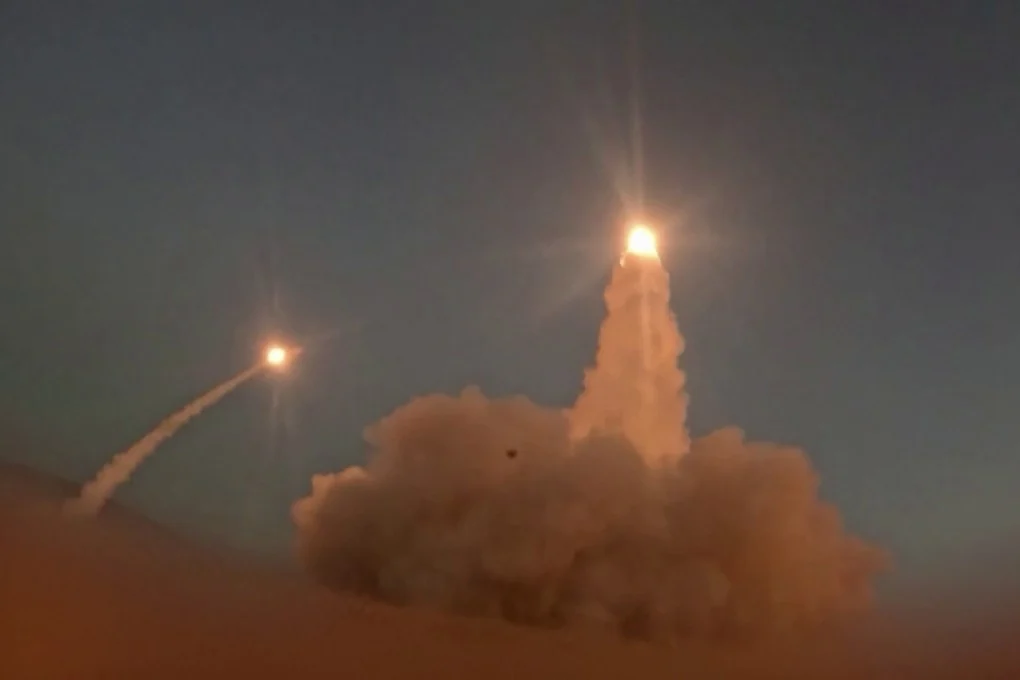
In retaliation, Iran's Islamic Revolutionary Guard Corps (IRGC) announced missile strikes targeting a US military airbase in Jordan. Iranian officials said the operation was carried out in response to recent US military actions near Ahvaz in southwestern Iran.
Missiles were also launched toward Qatar, where air defence systems successfully intercepted the incoming projectiles. Qatari authorities confirmed that one person sustained minor injuries during the incident.
The attacks prompted several Gulf nations to activate emergency defence measures. Kuwait reported intercepting missiles and drones, while Bahrain sounded air raid sirens as regional security concerns intensified.
Strait of Hormuz Remains a Major Flashpoint
The Strait of Hormuz has once again become a focal point of the conflict. Iranian military officials reiterated that the country would continue defending its position in the strategic waterway and warned that it would not back down under military pressure.
Iran recently announced renewed restrictions on maritime traffic through the strait, reversing a temporary reopening that followed diplomatic discussions earlier this year. The United States has also strengthened its maritime enforcement operations in the Gulf, with officials confirming that several vessels have been redirected as part of renewed security measures.
Given that a significant share of global oil and liquefied natural gas shipments passes through the Strait of Hormuz, any disruption has the potential to affect international energy markets.
Diplomatic Efforts Continue Amid Rising Tensions
Despite the escalating military exchanges, diplomatic efforts remain active.
Pakistan has urged both Washington and Tehran to resume negotiations and avoid further escalation, emphasizing the importance of dialogue following previous mediation efforts.
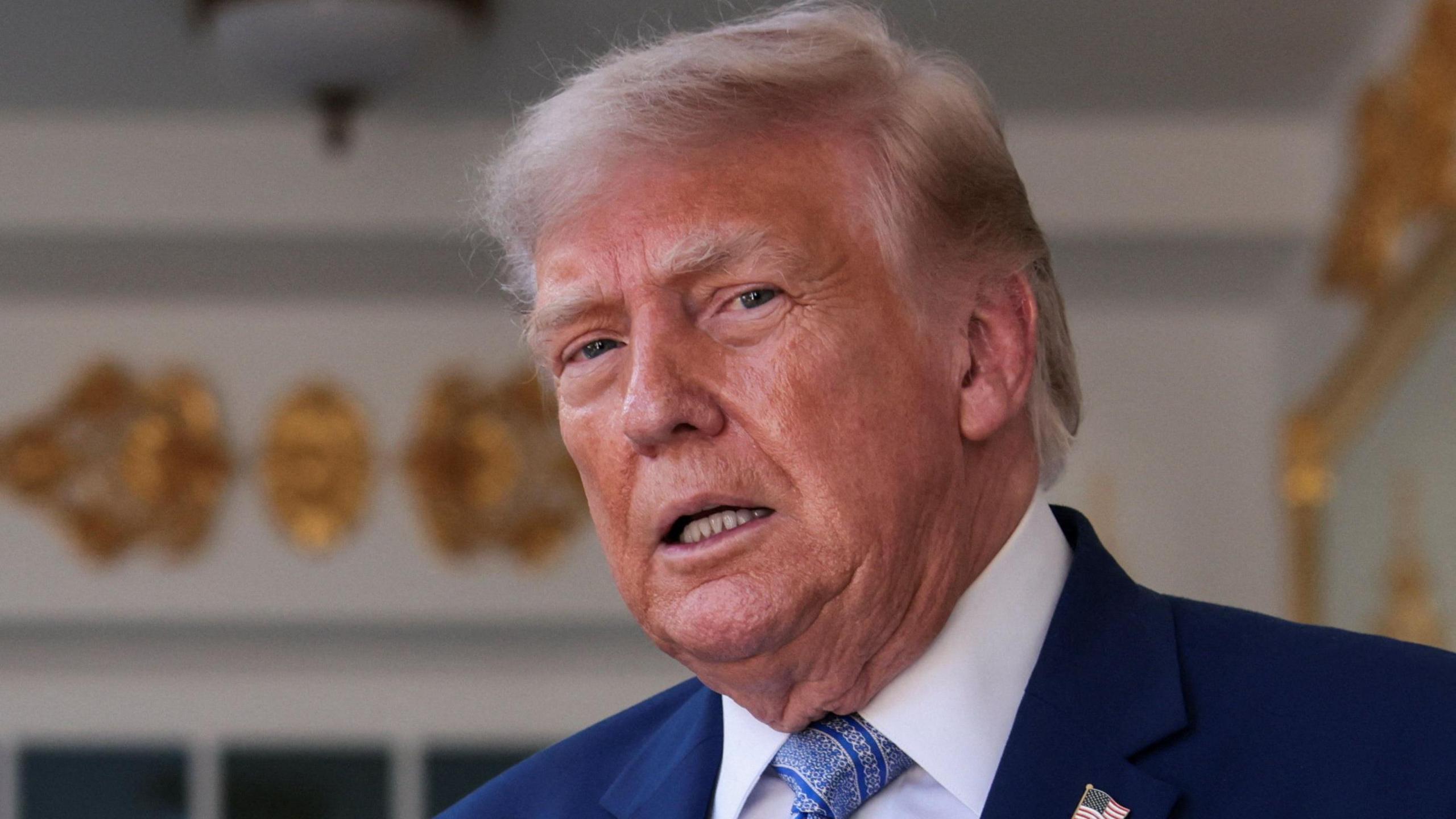
At the White House, Press Secretary Karoline Leavitt said President Donald Trump remains open to negotiations while maintaining that the United States would respond firmly to any threats against international shipping or American interests.
Meanwhile, Iranian officials questioned the effectiveness of previous diplomatic agreements, arguing that negotiations hold little value if existing commitments are not respected.
Regional Security Concerns Grow
Iran has warned that any further attacks on its infrastructure could trigger a broader regional response, raising concerns about the possibility of a wider Middle East conflict.
Officials in Tehran say dozens of people have been killed since the latest phase of hostilities began, while military operations continue on both sides.
As tensions rise, international observers remain focused on developments around the Strait of Hormuz, where any prolonged disruption could have significant geopolitical and economic consequences far beyond the region.